Why Mobility and Recovery Matter
Imagine a routine that doesn't leave you sore for days. Focusing on mobility and gentle
recovery after activity lets you stay active longer and helps prevent common aches, instead
of pushing through discomfort as some intensive routines suggest.
Ask a Question
Benefits of Moving Well
Reduce Injury Risk
Regular mobility helps joints and muscles move fluidly, reducing the chance of strain compared to routines that ignore recovery.
Enjoy Daily Movement
When your body recovers comfortably, movement stays enjoyable instead of becoming a dreaded task you avoid.
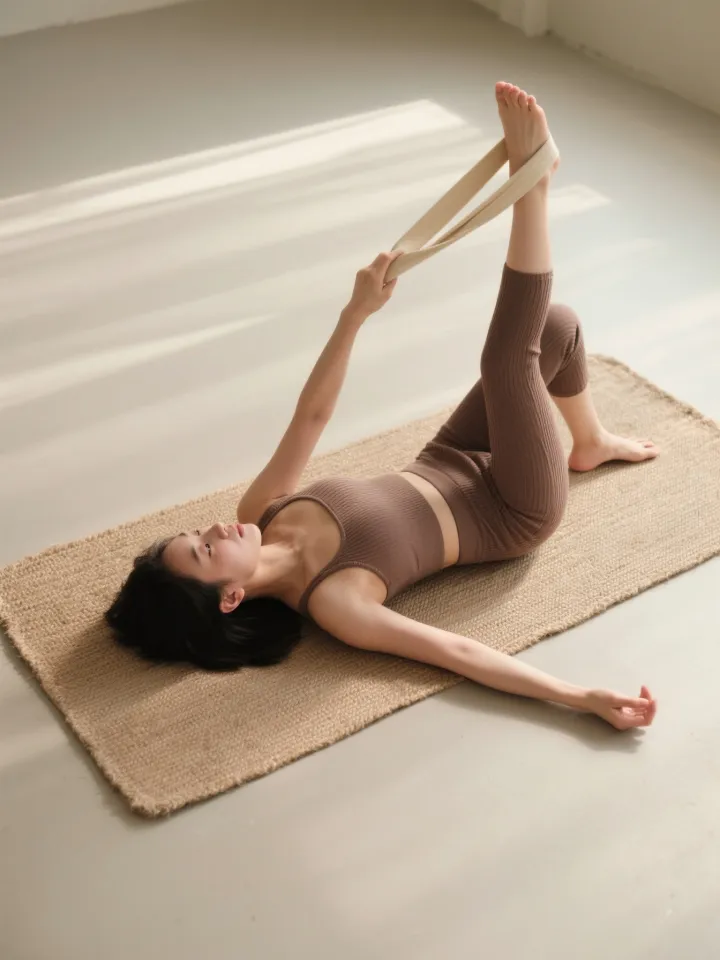
At-Home Mobility Routines
See how easy it is to add recovery to any week without special gear or complicated steps.
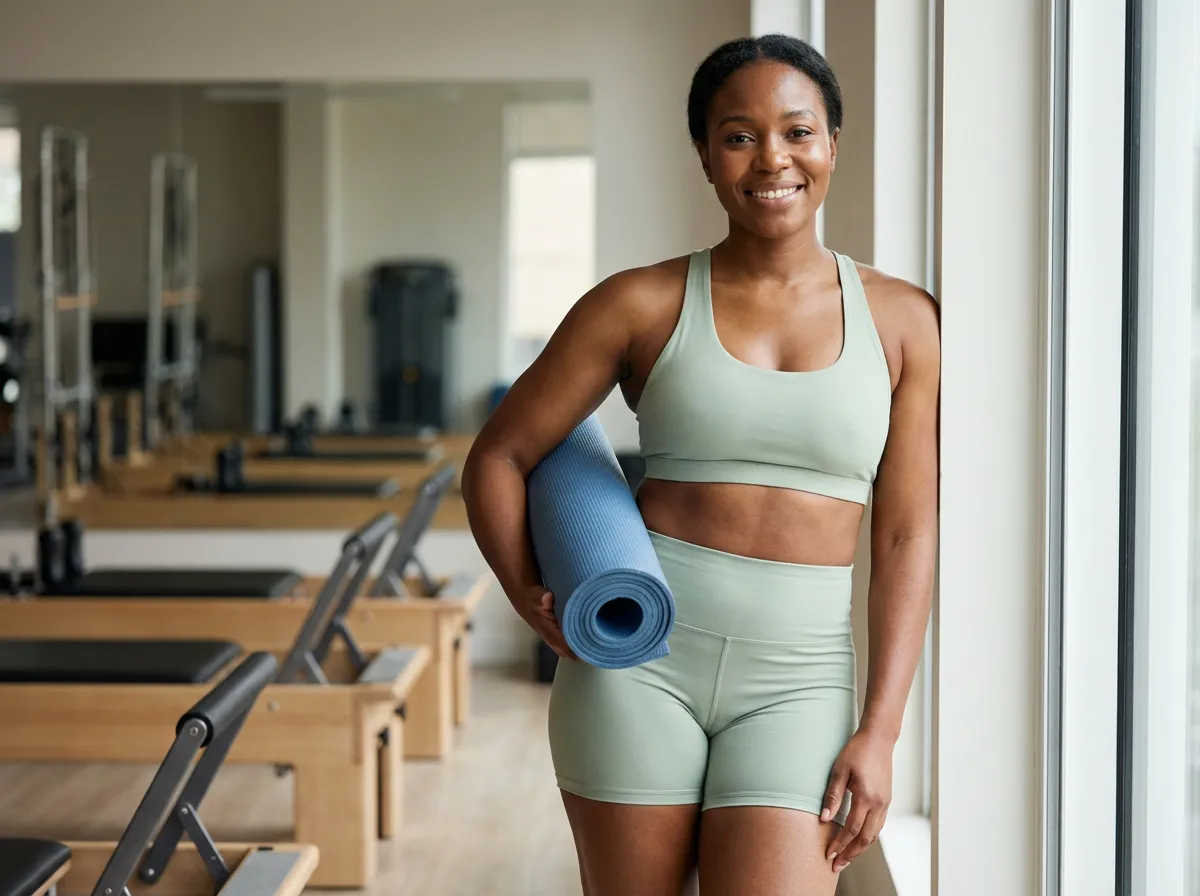
Roll and Stretch Basics
Use a foam roller or towel to gently work out muscle tension after a walk. Spend 5–10 minutes rolling calves, quads, or back, finishing with a full-body stretch to help muscles reset.

Family-Friendly Mobility
Invite household members to join; gentle hip circles or shoulder rolls work for all ages. Making recovery collaborative can transform routine stretching into a positive shared habit.

Seated Mobility Options
If getting to the floor isn’t ideal, try seated stretches: ankle rolls, leg extensions, and upper back twists. These can be done while watching TV or during work breaks for added accessibility.
Six Steps for Recovery Success
Recover Regularly
A quick stretch or foam roll after every session counts.
Prioritize Consistency
Schedule short recovery movements twice weekly, just like active sessions.
Listen to Your Body
Reduce movements if you feel pain; adjust routines to personal comfort.
Choose Accessible Options
Seated or assisted movements are just as effective as traditional stretches.
Check In Weekly
Spend a moment reflecting on what recovery feels best this week.
Track Progress
Note when you recover or stretch—patterns emerge that keep you improving.